As an elearning leader we have spent a lot of time trying to put this in place at our school. We have been struggling with how to keep this direction straight with 50 or so staff and that whole bell curve of change with the early adopters at one end and the laggards at the other. We want to pull together where we are and align it, but it is clear that how we have started this journey in comparison to the model we have taken on, does have more of an impact than I initially wanted to accept. This is going to lead us to change our methods of leadership and direction.
Generally, we need our structural conditions to change or at least keep pace with our changes in pedagogy in order to be absolutely effective in making lasting change to 'the way we do things around here'. We would usually expect this structural change to come from the top down - government policy would change, the flavour of the month in how we design our buildings would turn around, funding systems would be revised and statements about why, how and what we do from government analysists, hopefully, backed up by academic research would be released to support it all. There would be a good chance that a pilot programme with a healthy funding fish hook would be attached to entice schools to be ready.
The original Manaiakalani set of schools made their own structural changes, without government systems to guide them, because no one had done this before. Mutually developed and agreed upon pedagogy (LCS) at Point England School came before devices. Point England School were doing what was best for their students over what was the done thing at the time, or what was expected of low decile schools. First by introducing devices to a community who was considered by most, too poor and then providing internet infrastructure on their own to back that up. They used the devices for the pedagogy, once it was already in place. Second, by sharing the learning with their neighbouring schools, rather than using this to promote their own worth within the community. A community of learning beyond 'your own patch' in the midst of a system that sets us up to compete in the 'educational market' (tomorrow's schools) was put in place - Manaiakalani.
Then structural conditions from the top were in fact changed, based on the success of schools like Point England in Tamaki pioneering and proving this was a healthy 'way we do things around here' providing accelerated success for students who start education under the line of whatever we have decided is normal western intelligence. That point may still need some fleshing out, another time though.
We always knew we were jumping into devices without establishing the pedagogy first. We were even carefully warned that this was going to make a difference to how things progressed for us in Hornby. I clearly remember both Dorothy and Russell stating this fact in our initial presentations around Learn Create Share. Optimistically I hoped this would not matter so much because we had been warned, we'd sort it out!
So here we are, new principal from when we started with our outreach, quite a few new staff, and we are still struggling with a consistent direction for LCS. It is harder at some levels in a high school, with multiple siloed disciplines.
Having pulled together the data from our most recent staff meeting, it is clear that the confusion still lies with 'Learn'. If we substitute the word for 'Activate' or 'Ignite' (thank you Kelsey), we have it. The rest of our time is Create and Share, bouncing back to 'activate' as needed. It is fluid, not isolated. Maybe more so at a high school level due to that change from concrete to abstract thinking.
While pondering this, it occurred to me that way back in the day when I was training to be a teacher, the best advice I got about planning lessons, units and the year of learning, was to break everything into three phases that you go back over and move forward from, repeatedly; "Catch'em, Teach'em, Learn'em". It lacks the depth of pedagogy and thought possibly of LCS, and you cannot see 'share' so obviously, except that as an Art teacher, that is implied. Art is not Art if it is not shared with an audience. 'Catch' is 'activate' or 'ignite'. Excite that desire to learn, engage prior knowledge - the best part of being in a classroom so often is seeing the ignition happen. 'Teach' is providing the students with new skills and ideas to create their own work with and 'Learn' is giving them the freedom and time to be able to do exactly that. Yip, 'Share' is just not there... But it is a useful start in my own analysing and breaking down how some of us get there and some of us don't in embedding the pedagogy.
Right in amongst all of that is a part of the confusion; Learn in LCS is not the Oxford dictionary definition of Learning. Hence when you come into LCS cold, you easily confuse yourself. Likewise, if you only pay lip service to it when your school says staff meeting is LCS based, and it is not within your planning and classroom practice explicitly, you end up talking yourself around in circles.
Our next steps must be: working with individual departments to help re-direct some individual thoughts over LCS, aligning the departments in how this looks, but managing this with distributive leadership in mind. We need to make it explicit in our way of doing things starting with planning within the department - a whole school way of managing this. We cannot rely on whole staff meetings once in a while to get that message across clearly, there is just too much to be done. Likewise, we cannot rely on outsiders coming in once in a while to 'upskill' staff, as that is not the pedagogy that is being addressed (though it is still helpful). We cannot 'do' this for everyone, it needs to develop for us to become ours and be 'the way we do things around here' long after myself and the other elearning leader have moved on. It is time to start infiltrating ourselves rather than asking politely would you like help. Nicely of course.
Showing posts with label #teachersparticipatingresponsively. Show all posts
Showing posts with label #teachersparticipatingresponsively. Show all posts
Saturday, 18 August 2018

Saturday, 22 July 2017
The Development of a Collaborative PBL environment in Visual Arts reflective documentation part one
Collaboration is about
doing stuff together. A partnership. It is an expectation that students will work
this way in PBL environments and likewise staff will have to also.
We have been working on
how we manage our senior courses. For the last two years, instead of Level one
Art, Level 2/3 Painting, level 2/3 Design and level 2/3 Photography, I asked if
we could change things up. We always bang students in the back of level 2/3
Design when they cannot fit into level one Art. Likewise, designers end up in
Painting classes when they cannot fit in Design. It's considered a nuisance,
something in Art departments that we are meant to fight against as it hampers
the growth, the validity, realness, ultimate truth that our course is far-far
superior than our senior managers see our courses as, and our ...egos I think
if we are honest.
2015 numbers rolled in,
as they always do around October. We had 39 students listed for Year 11 Art. We
were asked to cull at least 10 of those. 10 is not such an accidental 'I had no
other option' number sitting there. Whereas in Photography we had 15 students.
Enough for a legitimate class. Likewise in Paint and Design. Really good
numbers.
I knew full well that
there was an Art teaching colleague at another school on the west coast 'doing
it tough' in the opinion of some of the bigger school Art depts here in chch.
She had only one senior Art class, one of her students had down's syndrome and
she had written up what she was doing for her students for TKI as a planning
resource for smaller departments. It was all about going with the mixed
discipline/level approach and embracing it, leaving things open for students to
come back and complete level one over two years and it all focused on concept
as the driver, over a whole class approach.
Little nagging thought in my head: We
always taught our level 2/3 students from that position anyway. Why would it be
different for level
one?
When we went to Tamaki
College for Manaiakalani professional development, we saw this cool thing in
English where they didn't teach academic, vocational and communication English
from level one upwards. They took the labels of smartness/dumbness away and had
theme based classes. What do you really care about? What makes you think, be
passionate, have a voice? That is how you chose your English class. That is
also where you start an Art concept from. Then I have that lightbulb moment,
followed by that slight guilt moment of how I may have been disadvantaging
students for a very long time, culminating in the 'I'm changing the world'
moment. In my Art room at least.
So again, why was I
making it so different in Level one? Because the standards don't quite
align to level 2 and 3. So I sorta used that as a justification. But that
doesn't actually matter, there are always ways around things.
I was making it different
because it was easier than altering my mind set, I still had that fear that I
was going to upset traditionalists in my field (they don't even know my name,
so I'm not sure why I cared) and if I am honest there is still the 'You're from
Hornby? Oh...' thing going on for me. I don't want to make things too different
here at Hornby and therefore have our students not able to do as well as
'theirs'... forgetting the fact that the will, drive and passion of the student
is what will eventually cause success, not whether I cared about whether they
were going to be the kid in the second-hand jumper getting teased about hand-me-downs.
Yes, content, technique,
skills are all really important, but first and foremost is the 'catch'.
Fostering will, determination and passion for learning something is what we
must do first. And sometimes the only thing we may end up doing. But eventually
that will come back in on that same person and the light will be re-ignited.
My proposal was to
intentionally mix the 4 lines of Art up into being a mish mash of everything
and then going for it.
That year had been a
mare for Cindy with 5 level one Art students sitting in the back of her level
2/3 Design class. The designers did well - 100% pass rate in the external in
the end. The year 11 students all passed too, but they were all hard on her -
'you only care about the designers' followed by 'why do you spend time with the
babies? WE are more important!' from the designers. There was a total non
acceptance and division between the two groups. But there was this really
interesting student in the class who had come to us from alternative education.
He only did level one. He struggled in a lot of relationships with a lot of
teachers and only met his dad that year. He had moved from the North Island and
everything was just weird here. Wickedly talented, creative and interesting,
when he was on top of things personally, not so much of any of those when
things were going wrong personally. He worked in the same kind of way as you
would at Art school. Independently and interdependently. Coming up with new
trains of thought, discussing these out loud with others, bouncing ideas back
and forth and taking everyone's opinions really seriously and always, in his
own little space of what did look like a fine arts studio in the end, down the
back. He worked like a senior painter. Cindy just had to keep up with him to
make sure he as ticking the boxes for the internal standards along the way as
well.
Level one pass rate
external folio for 2016 - 92%
This bit of data is
important because of the school results for level one in 2016 as well as the
fact that level one students do not understand how they get assessed in Visual
Arts at this level. It is the second year we had run our programme this way.
2015 was not shabby either at around (don't quote me) 85%. We do not have time
to make that clear and real in junior Art. 2 hours a week for half a year does
not allow us to capture their passion for Art as well as school them all on
entering into NCEA as competitive, geared up, understanding how they are likely
to do in NCEA, machines. Its enough to ascertain that they have readily
developed skills that stand them in good stead already and passion.
What it looks like:
We keep lines 1, 2, 3
and 4 of our 6-line patterned timetable open for Art at all three levels.
Students are well-schooled into understanding that they are responsible for
their concept, and have mostly begun developing this in year 10 if they are
coming into Year 11 Art. Anyone who wants to come into year 11 without year 10
Art gets a sit down chat with me about what I expect with their own direction.
The first two weeks of
the new year are spent on brainstorming what students care about, reading
through books on art and learning about artists that catch their interest.
Discussions with the teacher and with each others (levels 2 and 3 help a lot in
guidance here) help formulate the direction a student wants to take. We
discuss, question, and develop a plan.
We use our google site
to unite them as a class with a tracking sheet for each class loaded onto the
page for each class. For each course, there is a course outline digitally
presented with a hyperlink to the folder containing the assessment schedules
for each standard they can earn. It is up to the student to make sure they are
ticking things off...We also use teaching blogs to then differentiate subject
and level specific resources, help and guidance. But most is on a more
individual level. All students are using a blog to document their work. Some
are still reluctant, but the more it comes through the junior school, the less
foreign it is to them. Their use of a blog allows us as teachers to pursue
their progress beyond a class time. I'm marking and giving formative feedback
essentially, just online.
We frequently demand
that students prepare a timetable of their week for us on the whiteboard at the
start of the week. Telling us what they are doing, not the other way round.
In that, there must be
outcomes - a piece of work for 1.2, a research paragraph for Art History, a
blog post. If their outcomes are unreasonable, they rewrite them and take some
responsibility. If they don't meet them they have to replan their next week to
sort it out. It is their credits in the end. if we do this right, they should
care more about them.
Because we approach our
classes willingly as mixed level and discipline, it alters our mindset about
how we feel about teaching them and how we approach it. It is a placebo effect.
The flaws/areas to work
on:
- Communication between
the two Art teachers - we both have different skill sets that we could be using
together more for the benefit of the students.
- This model is
threatening to some people. Some students do want to be told what to do. We try
and adjust approaches for them, but that is quite a lot of work in this
environment.
- Art History standards
are way better for research skills in Art than any of the research standards in
practical art. We need to offer these more at levels 2 and 3, not just level 1.
That does lend to addressing literacy standards more for us too.
- Communication with the
deans as to how full the lines are - one ended up with 37, another with 33, one
with 24 and one with 11 at the start of this year. That needed to be addressed.
Thursday, 20 July 2017
New PTC's in NZ Teaching; how I see the relationship to TAI and Appraisal

Simplified version of our RTC's now called PTC's. The language seems more modern and there is a clear, concise e-learning version of how they could be applied here too. The first thing I thought was 'great, my labels all need to be remade on my blog... thanks EDUCANZ', more work on top of TAI for appraisal, actually teaching my students, the leadership and pastoral roles I already hold and the new staff member we will have in the Art department next week (yay :-) ). But in reading them, the language is better, the concepts are modernised and there is the e-learning study that CORE ED have done here too.
What I like:
- The overarching statements cover everything nicely and the criteria and indicators are nice clear guides:
Overarching statements
- Teachers play a critical role in enabling the educational achievement of all ākonga/ learners 1.
- The Treaty of Waitangi extends equal status and rights to Māori and Pākehā. This places a particular responsibility on all teachers in Aotearoa New Zealand to promote equitable learning outcomes.
- In an increasingly multi-cultural Aotearoa New Zealand, teachers need to be aware of and respect the languages, heritages and cultures of all ākonga.
- In Aotearoa New Zealand, the Code of Ethics / Ngā Tikanga Matatika commits certificated teachers to the highest standards of professional service in promoting the learning of those they teach.
- You can approach it from a place like this blog, where you detail the why, how and what of what you are doing and detail that with evidence, labelling statements and/or criteria and/or indicators appropriately
What I don't like about it:
- Even though it says these are interdependent and overlapping, you could still turn it into a checklist for teachers to tick off. Defeating the purpose of them being interdependent and overlapping.
- I don't see how a teacher can construct one single TAI that is used for appraisal purposes as well as meeting these all at once and I think it is worth debating whether we should be trying to do this.
What I find interesting:
- I'm just not convinced you need to apply one massive big TAI to the whole year to meet these, nor the old ones for that matter, and I recently had a discussion with a colleague about whether TAI should be used to demonstrate these over the course of a year long focus inquiry, or whether it should be a process that happens naturally and repeatedly because of your continual reflection on your own practise. I cannot remember who the colleague was or how the conversation came about, but my brain kept reverting back to 'but this is the direction the ministry and our school is wanting us to develop - TAI integrating with PTC's to test appraisal'. That is such a weak argument. It should not be why we do anything, because the ministry says so... (don't sack me).
So could I say no I'm not doing A TAI, to prove I meet these overarching statements, any of the criteria or key indicators, because I could probably prove every single one if I continue on like I am; posting up evidence of mini TAI's happening naturally, within the course of my teaching and leadership roles, and clearly identifying how they answer these a bit at a time. Could anyone at my school say 'you are doing that wrong, you are not competent'? Could I even be accused of failing to meet the first criterion? I wonder if your whole appraisal is based on a major TAI as we are being directed towards, we cannot manage this lofty goal?
The last time I applied for my registration, I sent the URL's for my teaching site and for this blog. All I was asked for that was extra, was a birth certificate from this millenium (why do you need to keep providing a birth certificate every three years?). Cool, much less work than jumping fences with unknown heights through the TAI system of appraisal I was initially involved in creating at my school (and I enjoyed the academic work of doing it too) .
In any case, my own TAI that I started 2017 is no longer relevant. However, several off-shoots of the TAI I started with SPARK - MIT have developed since then, that easily meet the PTC's. The whole 'thing' has become so much bigger, but also so many more that are smaller, easier to document, more relevant to the on-ground job at hand and less 'constructed' to fit other peoples boxes, that I think we ought to be rethinking how we 'test' appraisal. One major TAI that has to be forced along and ignores the fact that TAI exists all over the place in all sorts of ways in your practice doesn't do it. But, it becomes a monstrosity or it becomes lip service. In my opinion. Having being trying to push myself through this exact concept for 2 years now.
So for however long I can get away with it, I will not be doing a major TAI. That is my TAI. Can I document my natural processes as a teacher, leader and learner through the lens of TAI, as it happens, remain competent and still be steadily working towards our school vision of Learn, Create, Share; Actively involved learners? I would happily challenge any other professional or academic to prove that I do my students, colleagues and community a disservice by doing so. I am also happy to be appraised separately. Any one can come in and see my teaching, go through our planning, collaboration, offer advice, make up check lists that address an appraisal of sorts. I just don't want us to be calling it a day after one major TAI for the year being constructed and isolated to do that for us.
Sunday, 30 April 2017
Breakdown of Scholarship Begins...
Scholarship resources for Hornby High School starting here.
Late last year, I overheard a conversation between two teachers about how we 'need' a separate class for scholarship potential students at year 13. According to the vocal one of the two, this class would be about 5 students. The school's Senior Leadership Team needed to prioritise it if they really care about students succeeding here and yes that would mean academic casualties, like the loss of some subjects or pass rates to achieve it. It was seen by one of the two as the only feasible way to break the spell and get those elusive scholarship grades. The other stayed very quiet.
This idea that you have to be in the right class is no different to having to be in the right school, live in the right area, come from the right two-parent family with the right moderate to good income, driving the right car... Nothing of it sits well with me. I rage inside at the thought of it. I want Cinderella to go to the ball, Dorothy to find home and Snow white and Sleeping Beauty to get themselves up out of bed.
We already had our one student sitting her scholarship and we knew she was well on track for the excellence required to be able to be considered for it. Not once did I consider that anyone else had, or should have to miss out on their place in the class because of her. Or, in order for her to get there that they should go. But that was definitely my moment of 'we are going to make this real here'.
So we are paving that yellow brick road, making it real and breaking the spell. The significant things I have found are that the way it is assessed is not terribly similar to the boards or the other standards.
There are three categories that they assess by and the students can achieve three different grades of not achieved. Each category is marked out of 8. 24 marks in total are attainable. It's complexity can be very daunting when resilience is a key component requiring significant scaffolding. The link above is the document for assessment. It is posted on our google site and students are able to find it and comment on it if they wish. I would be encouraging students to use this to seek clarification if they need it.
The resources online are limited in comparison to other standards. Not many schools like sharing! Though one has been very generous in his Teaching Inquiry on scholarship and his resourcing. Tim Thatcher at it has certainly made it all very much clearer in how this could be handled within an average class. I see from his inquiry, that total integration within a classroom is preferable to having separate classes or sessions outside of class devoted to scholarship. That the uptake for those dwindled as the year carried on.
What I have achieved so far:
- We have one certainty for scholarship in both Design and Paint (willingness that is, though exceptional talent too) for 2017
- There are students in our current 2018 year 13 cohort who need to be considering this exam also, but there are also a lot of pressures on high school students. How far do we go in preparing students for this? Or is that no better than the 'right' class, right school scenario?
- Breaking down scholarship to be less complex and visible to the students on the main google site for Art at HHS.
Still working on:
- Having some kind of calendar for the 8 pages (which I would want to say were 12 so that students could edit them down to the best 8)
- Accessing a range of schools resources, including sharing what I have done without feeling like a poor cousin. Walk the talk. Sigh.
- Using Art History standards to better allow for that research component. It is really successful in level one so far this year... I have an unpublished blog post about that come to think of it...
- Using Classroom, Hapara, blogging or something to work the critiques through with the individuals as they go along for the scholarship pages. Will discuss with colleagues.
- Making a 24 hour day into a 30 hour one.
Late last year, I overheard a conversation between two teachers about how we 'need' a separate class for scholarship potential students at year 13. According to the vocal one of the two, this class would be about 5 students. The school's Senior Leadership Team needed to prioritise it if they really care about students succeeding here and yes that would mean academic casualties, like the loss of some subjects or pass rates to achieve it. It was seen by one of the two as the only feasible way to break the spell and get those elusive scholarship grades. The other stayed very quiet.
This idea that you have to be in the right class is no different to having to be in the right school, live in the right area, come from the right two-parent family with the right moderate to good income, driving the right car... Nothing of it sits well with me. I rage inside at the thought of it. I want Cinderella to go to the ball, Dorothy to find home and Snow white and Sleeping Beauty to get themselves up out of bed.
We already had our one student sitting her scholarship and we knew she was well on track for the excellence required to be able to be considered for it. Not once did I consider that anyone else had, or should have to miss out on their place in the class because of her. Or, in order for her to get there that they should go. But that was definitely my moment of 'we are going to make this real here'.
So we are paving that yellow brick road, making it real and breaking the spell. The significant things I have found are that the way it is assessed is not terribly similar to the boards or the other standards.
There are three categories that they assess by and the students can achieve three different grades of not achieved. Each category is marked out of 8. 24 marks in total are attainable. It's complexity can be very daunting when resilience is a key component requiring significant scaffolding. The link above is the document for assessment. It is posted on our google site and students are able to find it and comment on it if they wish. I would be encouraging students to use this to seek clarification if they need it.
The resources online are limited in comparison to other standards. Not many schools like sharing! Though one has been very generous in his Teaching Inquiry on scholarship and his resourcing. Tim Thatcher at it has certainly made it all very much clearer in how this could be handled within an average class. I see from his inquiry, that total integration within a classroom is preferable to having separate classes or sessions outside of class devoted to scholarship. That the uptake for those dwindled as the year carried on.
What I have achieved so far:
- We have one certainty for scholarship in both Design and Paint (willingness that is, though exceptional talent too) for 2017
- There are students in our current 2018 year 13 cohort who need to be considering this exam also, but there are also a lot of pressures on high school students. How far do we go in preparing students for this? Or is that no better than the 'right' class, right school scenario?
- Breaking down scholarship to be less complex and visible to the students on the main google site for Art at HHS.
Still working on:
- Having some kind of calendar for the 8 pages (which I would want to say were 12 so that students could edit them down to the best 8)
- Accessing a range of schools resources, including sharing what I have done without feeling like a poor cousin. Walk the talk. Sigh.
- Using Art History standards to better allow for that research component. It is really successful in level one so far this year... I have an unpublished blog post about that come to think of it...
- Using Classroom, Hapara, blogging or something to work the critiques through with the individuals as they go along for the scholarship pages. Will discuss with colleagues.
- Making a 24 hour day into a 30 hour one.
Wednesday, 1 March 2017
2017 Inquiry
Our Inquiry for Visual Arts this year is a joint one, focussing on how best to spread the load of specialty skills across as many senior students as possible.
Can Teacher Collaboration Improve Student Achievement in Senior Art Classes?
Our progress so far has been to set up the google sheets to track at least the first 6 weeks of each class in the senior school for Art. I would expect these to develop and grow based on how we use them.
There is the intention that these are used to make sure no student is left behind in being given feedback and kept up to speed.
We have also organised to split up the line 3 and 4 classes and share the teaching across those lines. We do have differing styles and expectations so it may take a little time to adjust to this. however, if students are truly working to their own goals and are there for the right reasons, this should come together.
At this point in time we have one over subscribed class of 37, one of 33, one of 13 and one of 22. Because we chose to mix our levels, there was a lack of communication between the three levels in general about numbers, so this is an issue that needs clarifying.
By the end of 2017, I want to be able to say we gave every senior student the best possible chance with teacher expertise available to direct their own learning. I want every student to be able to direct their own learning, rather than lean on the teacher or dismiss their own chances because the right teacher is not there.
Wednesday, 12 October 2016
ULEARN 2016 - 5 - 7 October; What I Gained
ULEARN is pretty massive. I had never been, and only had the GAFE summit held in Christchurch to compare it to. The reason I got to go was because of Spark - MIT 2016. Again thanks so much for that opportunity.
It was substantially bigger than GAFE (I think) and they feed you very, very well. 1800 teachers attended this year and my first observation was of observing the local College students obligingly and efficiently organise the registrations of those 1800 teachers who are a) not good at following basic instructions and b) are crammed into a seemingly small foyer, with coffee nearby, not able to get to it til the registration was done at 8 in the morning...The students were awesome and moving through the teachers more quickly than the front desk.
My key takeaways would be too many for one post. I am distilling it down to my top 10
From Andrew Ford of Sebel who presented a non-sales pitched presentation on how to effectively manage in an ILE/MLE space, using research and design thinking:
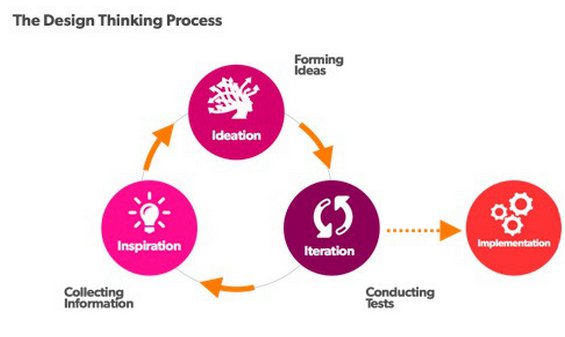
1) IDEO - This really clearly linked up with Sineck's golden circles so it was easy for me to grasp and made sense.
2) That our whole 'scary' concept of ILE actually comes from the work place, it is already quite well tested with a heap of research within places like architectural offices, design and advertising, Google, Yahoo, Spark, Vodafone... we are just taking those ideas and applying them to education, which is about effective rather than efficient education. Most jobs rely on collaborative process, education needs to reflect that more.
From Professor Michael Fullan who is a bit amazing, on everything because he is amazing
3) "Transformation always means disruptive and that is important. You need to exploit the disruption. Be a disruptor."
4) The New reality - social media is ubiquitous, it weaken hierarchies, which opens up lateral solutions, distribution and concentrated connection is the new power. E.g. our COL's are a distribution of power and if they ae working well, it is a new concentration of power. The young are the most connected and the least committed to the status quo. Students are the agents of change when you set it up right cultivate it and leverage it.
5) Discursive practice makes all the difference. Talking the walk into action, talking yourself into clarity with others around to support you - collaborative, creative, encourages critical thinking, develops your character, you have to hear and accept others views, develops citizenship - how you relate back to opposing and supporting views.
From Hekia Parata who is a very gifted presenter and had 10 minutes:
6) First be powerful leaders in your own lives, the opportunity to contribute is much more real and powerful.
From Hammersley Street school in Nelson - collaborative learning
7) Scaffolding has taken the place of try, fail, learn, try, fail, learn, fly
8)The definition of a well organised teacher needs a major shift in a lot of schools. Endless scaffolding and endlessly planned lessons, and structures in a class ultimately become a barrier to authentic learning if there are ever any challenges, student agency, choice or voice
From Rosemary Hipkins - making meaning across learning areas
9) I see, I think, I wonder - brilliant starter exercise to help move professionals into more of a growth mindset about project based learning. It was cool!
From Haeata Community Campus Senior Leadership Team on transforming leaership and school systems
10) Thats the way we've always done it #ttwwadi
Ncea and ero become excuses not to move forward. If its not broke… but ask why you cant do that because of NCEA, question it and find out why. Interrogate the why all the time.
It was substantially bigger than GAFE (I think) and they feed you very, very well. 1800 teachers attended this year and my first observation was of observing the local College students obligingly and efficiently organise the registrations of those 1800 teachers who are a) not good at following basic instructions and b) are crammed into a seemingly small foyer, with coffee nearby, not able to get to it til the registration was done at 8 in the morning...The students were awesome and moving through the teachers more quickly than the front desk.
My key takeaways would be too many for one post. I am distilling it down to my top 10
From Andrew Ford of Sebel who presented a non-sales pitched presentation on how to effectively manage in an ILE/MLE space, using research and design thinking:
1) IDEO - This really clearly linked up with Sineck's golden circles so it was easy for me to grasp and made sense.
2) That our whole 'scary' concept of ILE actually comes from the work place, it is already quite well tested with a heap of research within places like architectural offices, design and advertising, Google, Yahoo, Spark, Vodafone... we are just taking those ideas and applying them to education, which is about effective rather than efficient education. Most jobs rely on collaborative process, education needs to reflect that more.
From Professor Michael Fullan who is a bit amazing, on everything because he is amazing
3) "Transformation always means disruptive and that is important. You need to exploit the disruption. Be a disruptor."
4) The New reality - social media is ubiquitous, it weaken hierarchies, which opens up lateral solutions, distribution and concentrated connection is the new power. E.g. our COL's are a distribution of power and if they ae working well, it is a new concentration of power. The young are the most connected and the least committed to the status quo. Students are the agents of change when you set it up right cultivate it and leverage it.
5) Discursive practice makes all the difference. Talking the walk into action, talking yourself into clarity with others around to support you - collaborative, creative, encourages critical thinking, develops your character, you have to hear and accept others views, develops citizenship - how you relate back to opposing and supporting views.
From Hekia Parata who is a very gifted presenter and had 10 minutes:
6) First be powerful leaders in your own lives, the opportunity to contribute is much more real and powerful.
From Hammersley Street school in Nelson - collaborative learning
7) Scaffolding has taken the place of try, fail, learn, try, fail, learn, fly
8)The definition of a well organised teacher needs a major shift in a lot of schools. Endless scaffolding and endlessly planned lessons, and structures in a class ultimately become a barrier to authentic learning if there are ever any challenges, student agency, choice or voice
From Rosemary Hipkins - making meaning across learning areas
9) I see, I think, I wonder - brilliant starter exercise to help move professionals into more of a growth mindset about project based learning. It was cool!
From Haeata Community Campus Senior Leadership Team on transforming leaership and school systems
10) Thats the way we've always done it #ttwwadi
Ncea and ero become excuses not to move forward. If its not broke… but ask why you cant do that because of NCEA, question it and find out why. Interrogate the why all the time.
Tuesday, 6 September 2016
Genius Hour
Collaboration in PLD at work. Shared google doc with notes a few staff took simultaneously during our PD with Caroline From Christ's College on how she runs Genius Hour. Awesome session;
Contributions from:
Joanne Clark
Ben Carter
Sarah Richardson
Rowena Clemence
Contributions from:
Joanne Clark
Ben Carter
Sarah Richardson
Rowena Clemence
Tuesday, 9 August 2016
Hornby High School Kapahaka
"It's just an excuse to get out of class..."
Not a student, but a former teacher. The prospect of students coming out of a timetabled class for Kapahaka practice.
"I don't think it is fair that they miss one of our classes and we lose that time, they are usually the most behind"
It is not the most accurate quote, but it is a sentiment expressed often when, as a dean a few years ago, I was the space between the rock and the hard place in soothing fears and hurts over the school attempting to get some traction in setting up Kapahaka as a culture here. Unsuccessfully, I might add. In both respects.
The key word here being 'they'. Us and them, you and me, management vs school vs students vs Māori students. When fear is a factor, the 'other' becomes a significant stumbling block, ignorance outweighs compassion and common sense. All we end up seeing and being, is a part of a divisive and negative culture.
So I joined the Kapahaka practice. It is the most surreal thing to watch students who in the grounds, and in some classes, are at times sorta, kinda wicked hard work, not always particularly open to you as a teacher, be the star of the show. Take control Ms Tongotongo and direct your senior girls to stand with, and help teach the new girls (and women teachers), dictate the volume output with your command and your own voice, amp it up, control the 'pause', teach 15 new students the first section of the school haka in 7 minutes, thank you very much.
Back inside the auditorium we all go, back with the boys, standing together. A male and a female lead again control the volume, determine the pace, and within 15 minutes we all know those first few lines well and the roof is being raised off, like a lid of a soda bottle shaken up by the pressure of our voices. We went from 40% to 110% input in stages, as directed and maintained by our student leaders.
There are benefits to all staff being in this room at this moment. We see confidence where we didn't know it existed, a sense of togetherness demonstrated by the students, the collective consciousness as a real thing. Manaakitanga, Kawanatanga even, there as real tangible elements. Taking this and translating it into the classroom means more than just being there at the practice as a teacher. I want to explore this more, I'm hoping that some of what we do is already doing this. At the end of the year, I want to compare how my new senior class structure compares to this style of education and whether results have in fact been affected, or even whether I care about those results or something more.
Not a student, but a former teacher. The prospect of students coming out of a timetabled class for Kapahaka practice.
"I don't think it is fair that they miss one of our classes and we lose that time, they are usually the most behind"
It is not the most accurate quote, but it is a sentiment expressed often when, as a dean a few years ago, I was the space between the rock and the hard place in soothing fears and hurts over the school attempting to get some traction in setting up Kapahaka as a culture here. Unsuccessfully, I might add. In both respects.
The key word here being 'they'. Us and them, you and me, management vs school vs students vs Māori students. When fear is a factor, the 'other' becomes a significant stumbling block, ignorance outweighs compassion and common sense. All we end up seeing and being, is a part of a divisive and negative culture.
So I joined the Kapahaka practice. It is the most surreal thing to watch students who in the grounds, and in some classes, are at times sorta, kinda wicked hard work, not always particularly open to you as a teacher, be the star of the show. Take control Ms Tongotongo and direct your senior girls to stand with, and help teach the new girls (and women teachers), dictate the volume output with your command and your own voice, amp it up, control the 'pause', teach 15 new students the first section of the school haka in 7 minutes, thank you very much.
Back inside the auditorium we all go, back with the boys, standing together. A male and a female lead again control the volume, determine the pace, and within 15 minutes we all know those first few lines well and the roof is being raised off, like a lid of a soda bottle shaken up by the pressure of our voices. We went from 40% to 110% input in stages, as directed and maintained by our student leaders.
There are benefits to all staff being in this room at this moment. We see confidence where we didn't know it existed, a sense of togetherness demonstrated by the students, the collective consciousness as a real thing. Manaakitanga, Kawanatanga even, there as real tangible elements. Taking this and translating it into the classroom means more than just being there at the practice as a teacher. I want to explore this more, I'm hoping that some of what we do is already doing this. At the end of the year, I want to compare how my new senior class structure compares to this style of education and whether results have in fact been affected, or even whether I care about those results or something more.
Sunday, 7 August 2016
"Write That Essay" PLD day notes
Our focus is writing and based on the Woolf Fisher data we received on Wednesday, That is pretty much what it should be.
There were a lot of useful tips and tricks that we can implement starting Monday, and we will. Blog posts are about to change for our senior students.
There were a lot of useful tips and tricks that we can implement starting Monday, and we will. Blog posts are about to change for our senior students.
Monday, 16 May 2016
SOLO in Art
This is our take on SOLO with Visual Arts. It fits cleanly with our base assessment scale, with the expectations of NCEA in visual Arts at level 1 - 3 and as a way to enable good clear scaffolding for students to achieve at higher levels too.


Sunday, 15 March 2015


Tuesday, 27 January 2015
CORE ED Modern Pathways to raising Maori Achievement
Janelle Riki's Presentation
Our Professional Development today focussed on Maori Achievement and digitally connected kids.
While the URL above is a link to it, most of the presentation was Janelle's spoken words around it. This was a very concise definition of why we should be using MLE's, which is one of the strongest points I took from it. Janelle was a very analytical and well-spoken presenter.
Slide 8 "...to be modern, anything were designing or building must be conceived of and developed for what we know and understand 'just now', drawing on our lessons from the past, an d considering the demands of the future.."
Explaining that our 'modern' spaces are about recognising what we need now and catering for the future made this seem a whole lot less 'catchphrase-y', and more about being realistic with our design, rather than just trying to force the modern practices we are already likely to be using into boxes that were designed for modern practice 50 years ago.
I liked that she started with "don't throw the baby out with the bath water" and took the time to break down how Maori culture and education values went from a traditional village system to victorian education systems, without anything in-between leading them through to this, and that this is likely according to some researchers, to still be impacting on the current state of affairs. I have read other pieces of research along those lines in reference to a number of other issues Maori are faced with, so while not a surprise, Janelle was really concise and confident with the information. Her point being, what can we learn from traditional village education systems that did exist? That students were relationally connected with their "teachers", were being evaluated for their natural strengths and then encouraged to play to those for the betterment of their society. They didn't necessarily 'pass' and 'fail' at what they were being taught, they just tried again and figured out a better way each time. Survival depended on it and it was a system of education that was 'fit for purpose'.
I do continue to wonder why we insist on teaching exam skills, and putting students through these; it isn't real applied learning, it doesn't resonate with you in 15 years time as something that altered your life, because it doesn't allow for you to practice a new skill or break down new information in a way that you will use for real, over again, in real life situations. An exam is almost like bad reality tv, without the captive audience; placing the 'ordinary. And when only 9 % of our Level One students credits came from external exams, I do have to wonder why? Level Two was 14%, Level Three I believe was 8%.
In relation to yesterday's PD on Feedback I then have begun to consider this; It is really easy for most of us to say that internal achievement standards under NCEA are easier. I say it. However, they are all aligned now and technically are not at a lower standard. Our students achieve them more readily, because we are working on them relationally. We are allowing them time to digest through feedback, and following up with that feedback, on the information/skill/problem being assessed and really learn it. It is naturally discursive, unless you sit there and just hand them out a booklet to work through and do your best to ignore getting to know your kids. So are they easier, or are they a more realistic learning processes? In Art, they are smaller chunks of learning, but I don't see them as necessarily easier. I don't think I will call them so again. You get the chance to reinforce the reflection process in class, over and over again if need be. 28 times to create a habit. You can give students the opportunity to critique themselves and each other. An exam paper only gets returned if you ask for it, and you cannot necessarily decipher the why or why not for the outcome. Our folios get returned with no feedback as to why decisions were made, but we know they were present in their process. It gets treated like a big secret we can't know, in case it undermines the sanctity of the 'exam'.
So in relation to the topic at hand, raising Maori achievement, I am not sure where this leaves the New Zealand curriculum or our assessment.
Slide 18, Janelle points out what she believes our students will need to survive their career pathway. Within this she graciously allowed that creativity should have been there and will be next time. While it fits brilliantly with the front end of our curriculum, it doesn't sit nicely with how we end up shoveling our students through as much NCEA as possible and prepping them for exams, from which they then only get 9% of their credits.
Is what we are doing with how many assessments are handled 'fit for purpose' for where we want our students to be at as people when they finally leave? Is what i am doing in our Art department fit for purpose in the same way? I believe it is, but I also think I need to analyse it further to really know.
Our Professional Development today focussed on Maori Achievement and digitally connected kids.
While the URL above is a link to it, most of the presentation was Janelle's spoken words around it. This was a very concise definition of why we should be using MLE's, which is one of the strongest points I took from it. Janelle was a very analytical and well-spoken presenter.
Slide 8 "...to be modern, anything were designing or building must be conceived of and developed for what we know and understand 'just now', drawing on our lessons from the past, an d considering the demands of the future.."
Explaining that our 'modern' spaces are about recognising what we need now and catering for the future made this seem a whole lot less 'catchphrase-y', and more about being realistic with our design, rather than just trying to force the modern practices we are already likely to be using into boxes that were designed for modern practice 50 years ago.
I liked that she started with "don't throw the baby out with the bath water" and took the time to break down how Maori culture and education values went from a traditional village system to victorian education systems, without anything in-between leading them through to this, and that this is likely according to some researchers, to still be impacting on the current state of affairs. I have read other pieces of research along those lines in reference to a number of other issues Maori are faced with, so while not a surprise, Janelle was really concise and confident with the information. Her point being, what can we learn from traditional village education systems that did exist? That students were relationally connected with their "teachers", were being evaluated for their natural strengths and then encouraged to play to those for the betterment of their society. They didn't necessarily 'pass' and 'fail' at what they were being taught, they just tried again and figured out a better way each time. Survival depended on it and it was a system of education that was 'fit for purpose'.
I do continue to wonder why we insist on teaching exam skills, and putting students through these; it isn't real applied learning, it doesn't resonate with you in 15 years time as something that altered your life, because it doesn't allow for you to practice a new skill or break down new information in a way that you will use for real, over again, in real life situations. An exam is almost like bad reality tv, without the captive audience; placing the 'ordinary. And when only 9 % of our Level One students credits came from external exams, I do have to wonder why? Level Two was 14%, Level Three I believe was 8%.
In relation to yesterday's PD on Feedback I then have begun to consider this; It is really easy for most of us to say that internal achievement standards under NCEA are easier. I say it. However, they are all aligned now and technically are not at a lower standard. Our students achieve them more readily, because we are working on them relationally. We are allowing them time to digest through feedback, and following up with that feedback, on the information/skill/problem being assessed and really learn it. It is naturally discursive, unless you sit there and just hand them out a booklet to work through and do your best to ignore getting to know your kids. So are they easier, or are they a more realistic learning processes? In Art, they are smaller chunks of learning, but I don't see them as necessarily easier. I don't think I will call them so again. You get the chance to reinforce the reflection process in class, over and over again if need be. 28 times to create a habit. You can give students the opportunity to critique themselves and each other. An exam paper only gets returned if you ask for it, and you cannot necessarily decipher the why or why not for the outcome. Our folios get returned with no feedback as to why decisions were made, but we know they were present in their process. It gets treated like a big secret we can't know, in case it undermines the sanctity of the 'exam'.
So in relation to the topic at hand, raising Maori achievement, I am not sure where this leaves the New Zealand curriculum or our assessment.
Slide 18, Janelle points out what she believes our students will need to survive their career pathway. Within this she graciously allowed that creativity should have been there and will be next time. While it fits brilliantly with the front end of our curriculum, it doesn't sit nicely with how we end up shoveling our students through as much NCEA as possible and prepping them for exams, from which they then only get 9% of their credits.
Is what we are doing with how many assessments are handled 'fit for purpose' for where we want our students to be at as people when they finally leave? Is what i am doing in our Art department fit for purpose in the same way? I believe it is, but I also think I need to analyse it further to really know.
Monday, 19 January 2015
Start of 2015

Intentions for today are for the 'culture vultures' to get more comfortable with each other's blogs, for us to hoepfully facilitate each other's learning on blogs and to then work on. All without vodka...

still working...
So we intended this day to be about working on our blogs and google sites. This was a collaboration of colleagues who all had similar goals. We have succeeded in further up-skilling ourselves in blogger, albeit with frustrations with the technology, and we have nicknamed ourselves the 'culture vultures'. Rhymes well, but I am not sure about the meaning we are mean't to draw from it. Katie maintains it is 'sexy'. ? Don't they eat dead things? All of us are set up for continuing on with this process of gathering supporting information around the registered teachers criteria within our own practice, we have set up our own mini learning community that covers a number of the humanities within the school, and could easily and willingly cater for a more diverse range of representation, though we are just a group of colleagues who are also friends, and we are responding and supporting our own learning needs locally.
We will organise another learning time for google sites following this.
Subscribe to:
Posts (Atom)